GREENSIDE HIGH SCHOOL
Learner Wellness Day — Event Report
17 February 2026
Overview: What Happens When You Let Teenagers Breathe?
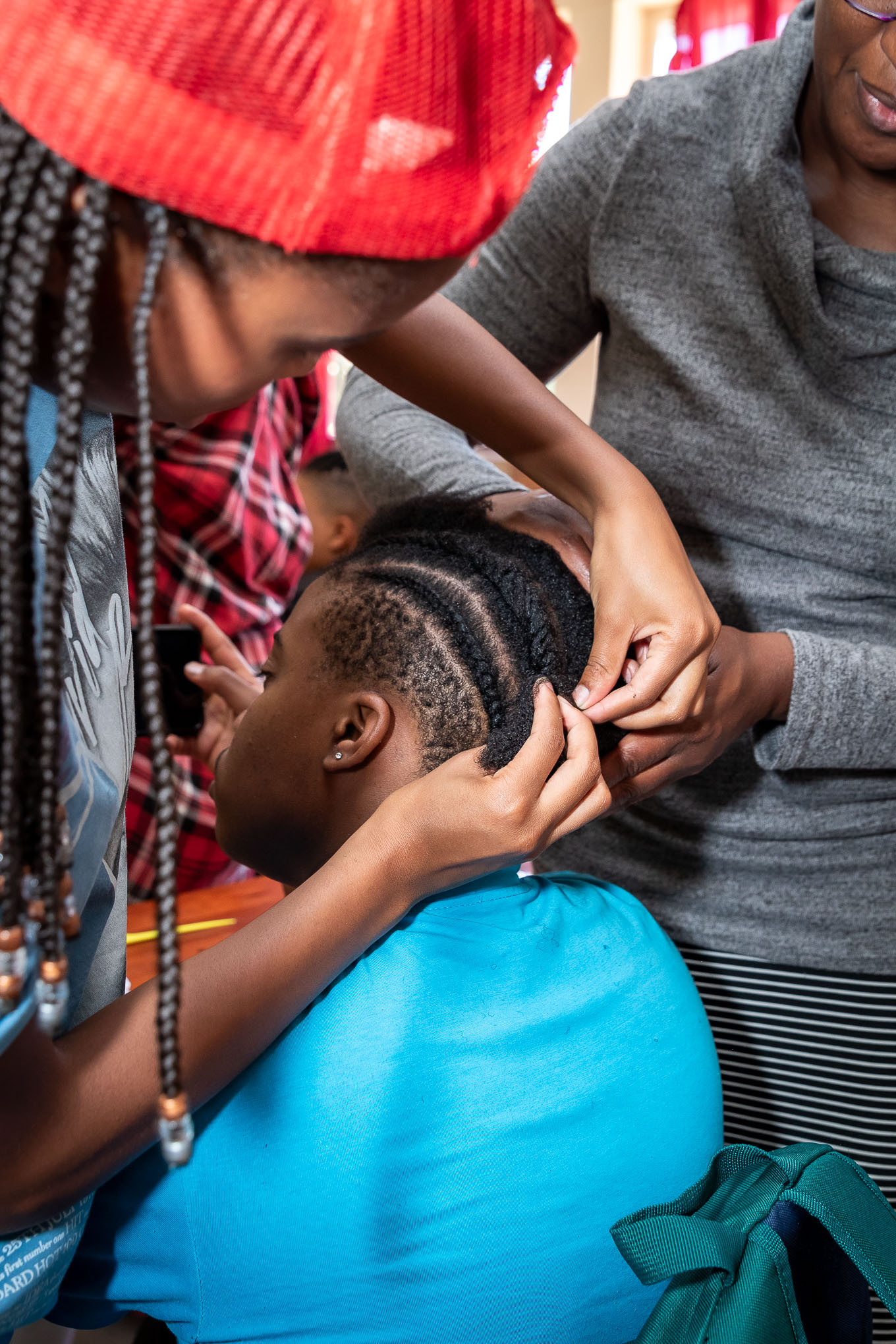
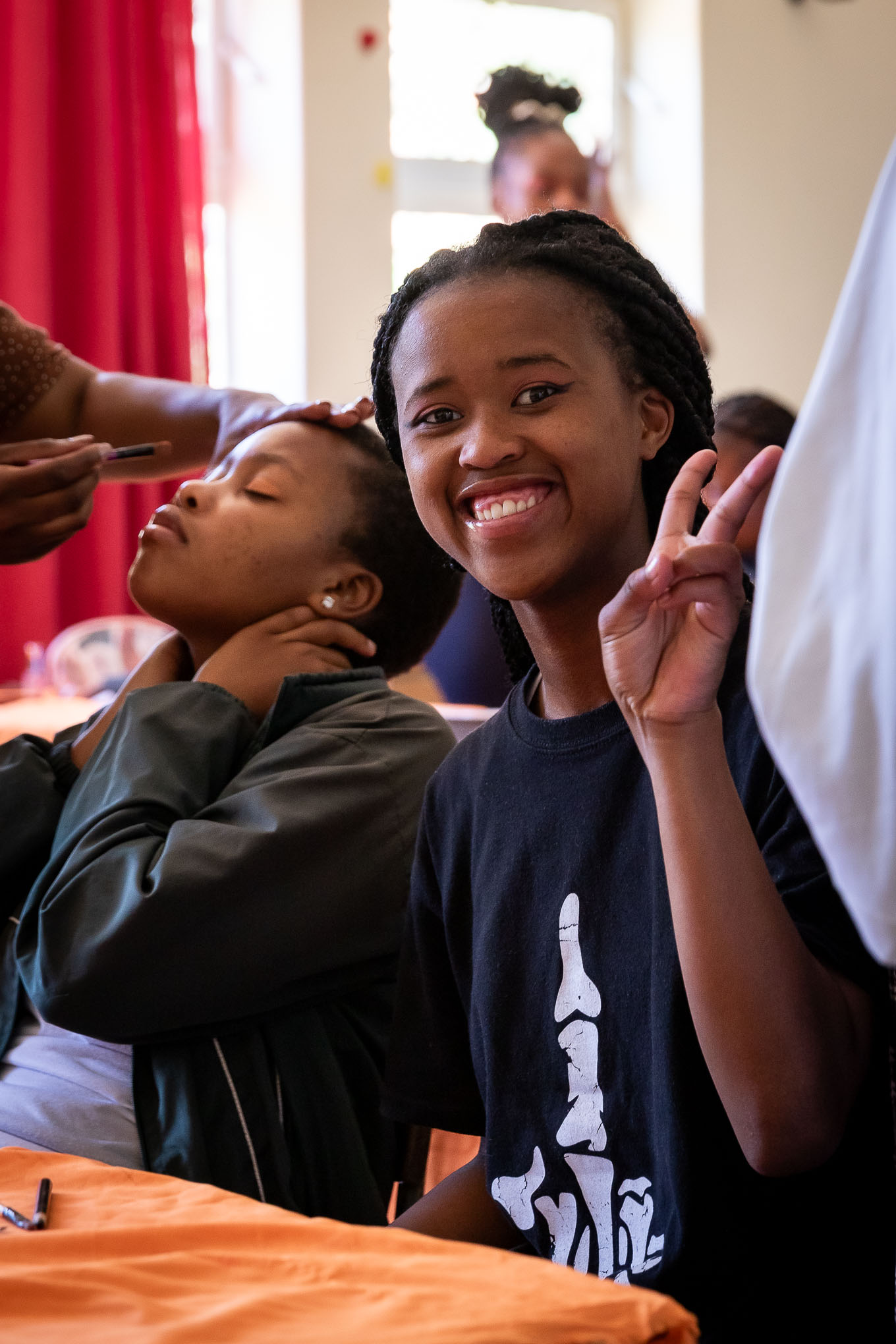
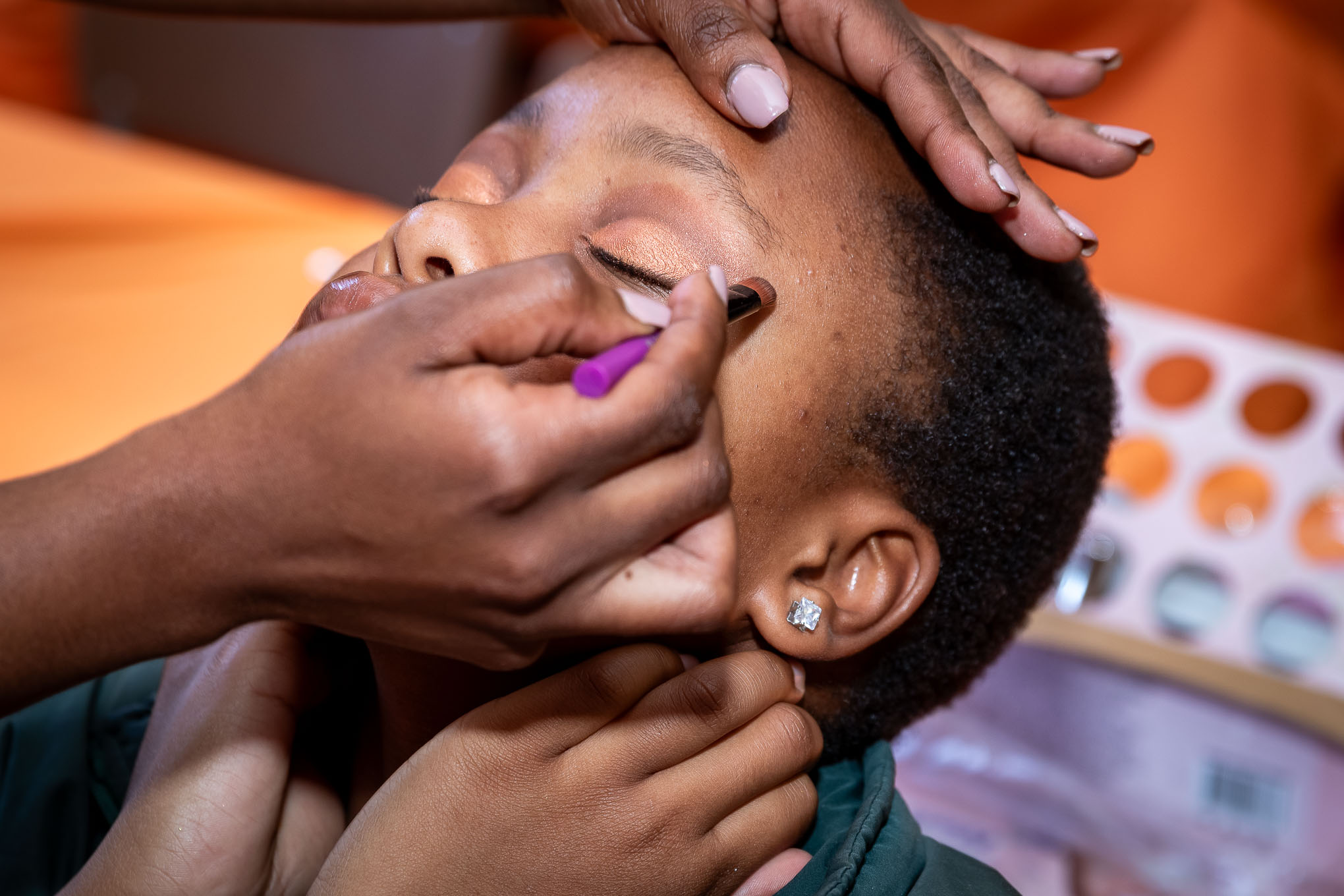
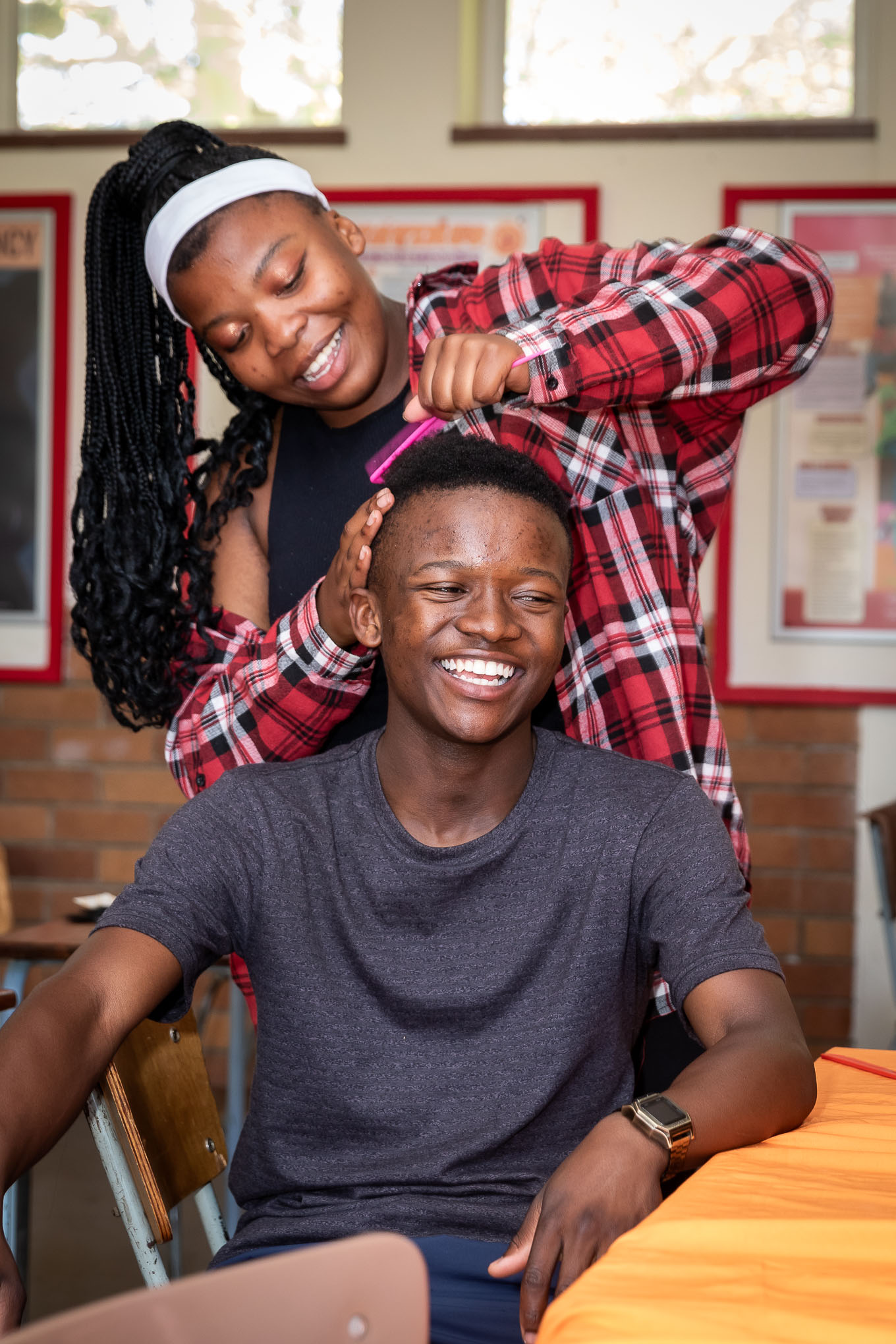
Turns out, quite a lot. Greenside High School’s Wellness Day on 15 March 2026 was, by every honest measure, a brilliant success. Learners arrived at a school that looked familiar but felt different: no bells dictating the tempo of their thinking, no desks arranged in rows of quiet obedience, no pressure to produce the correct answer before the correct time ran out. Instead, they found clay, paint, grass under their feet, and the radical invitation to simply be.
Wellness Day rests on a premise that sounds obvious once you say it out loud, but which our school calendars don’t always reflect: learners who feel well, learn well. Research in adolescent neuroscience and positive psychology has been saying this for years. Wellness Day gave us the opportunity to actually listen – and what we heard back, in the laughter from the quad and the quiet concentration in the gym, was deeply encouraging.
Why Teenagers Need This (More Than They’d Ever Admit)
Adolescence is a spectacular, exhausting, slightly chaotic business. The teenage brain is in the middle of a renovation project that won’t be finished until the mid-twenties — the prefrontal cortex, responsible for planning, impulse control, and rational decision-making, is essentially still under construction. Meanwhile, the emotional centres of the brain are fully operational and running at full volume. This is not a character flaw. It is developmental biology.
What this means practically is that adolescents have an urgent, physiological need for activities that help regulate their nervous systems, process their emotions, build their sense of identity and agency, and connect meaningfully with their peers. A traditional school day – however excellent – cannot meet all of those needs between the hours of 07:30 and 14:00. Wellness Day was designed specifically to fill some of those gaps, and it did so with both purpose and joy.
The Activities: Something for Everyone
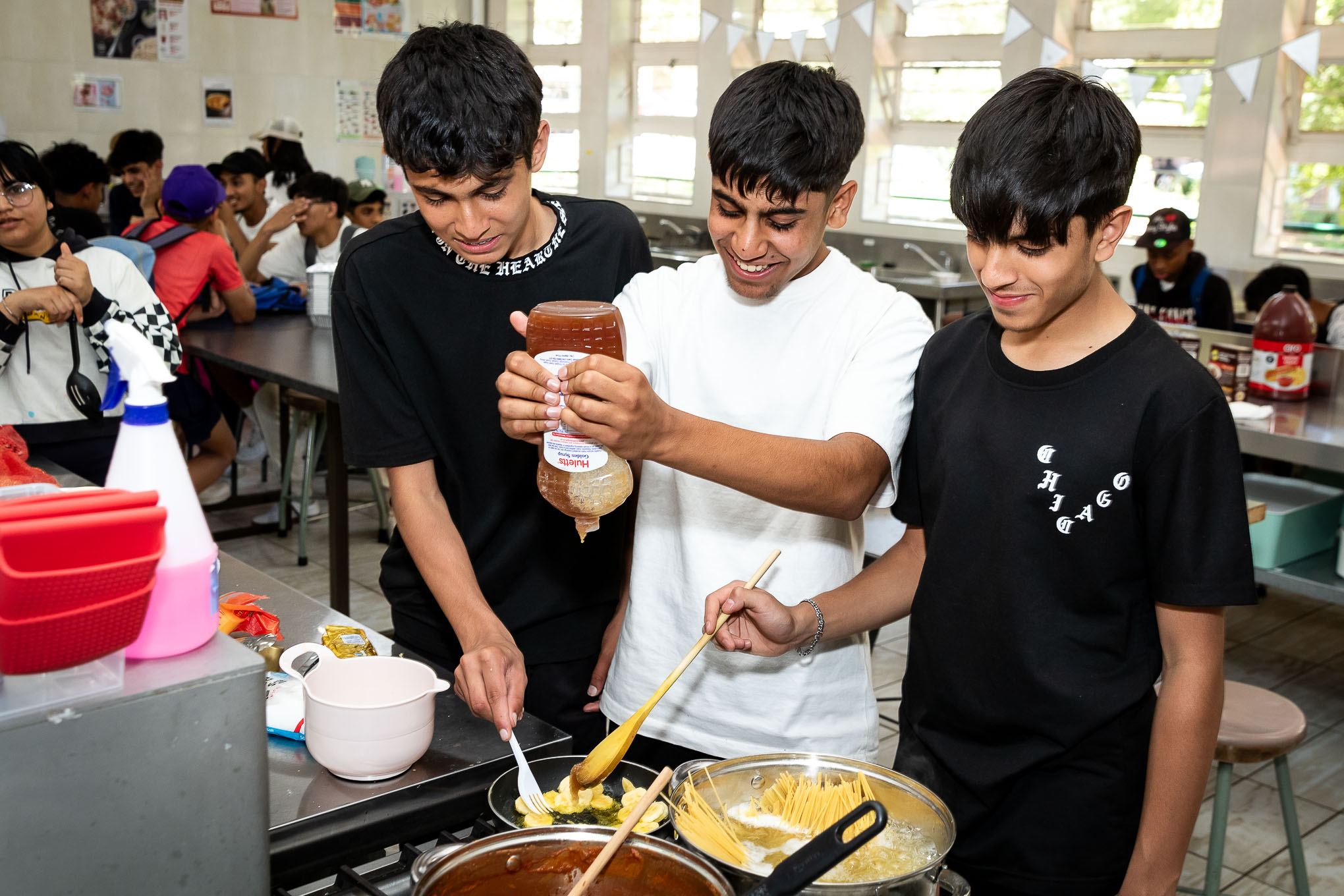
The day’s programme was built on a beautifully simple principle: that not every learner needs the same thing to feel restored. Some of our teenagers are natural movers who store tension in their muscles and release it through their feet. Others are quiet creators who find their calm in colour and texture. Some simply need permission to play. Wellness Day offered all of it.
Study Skills and Vagus Nerve Exercises
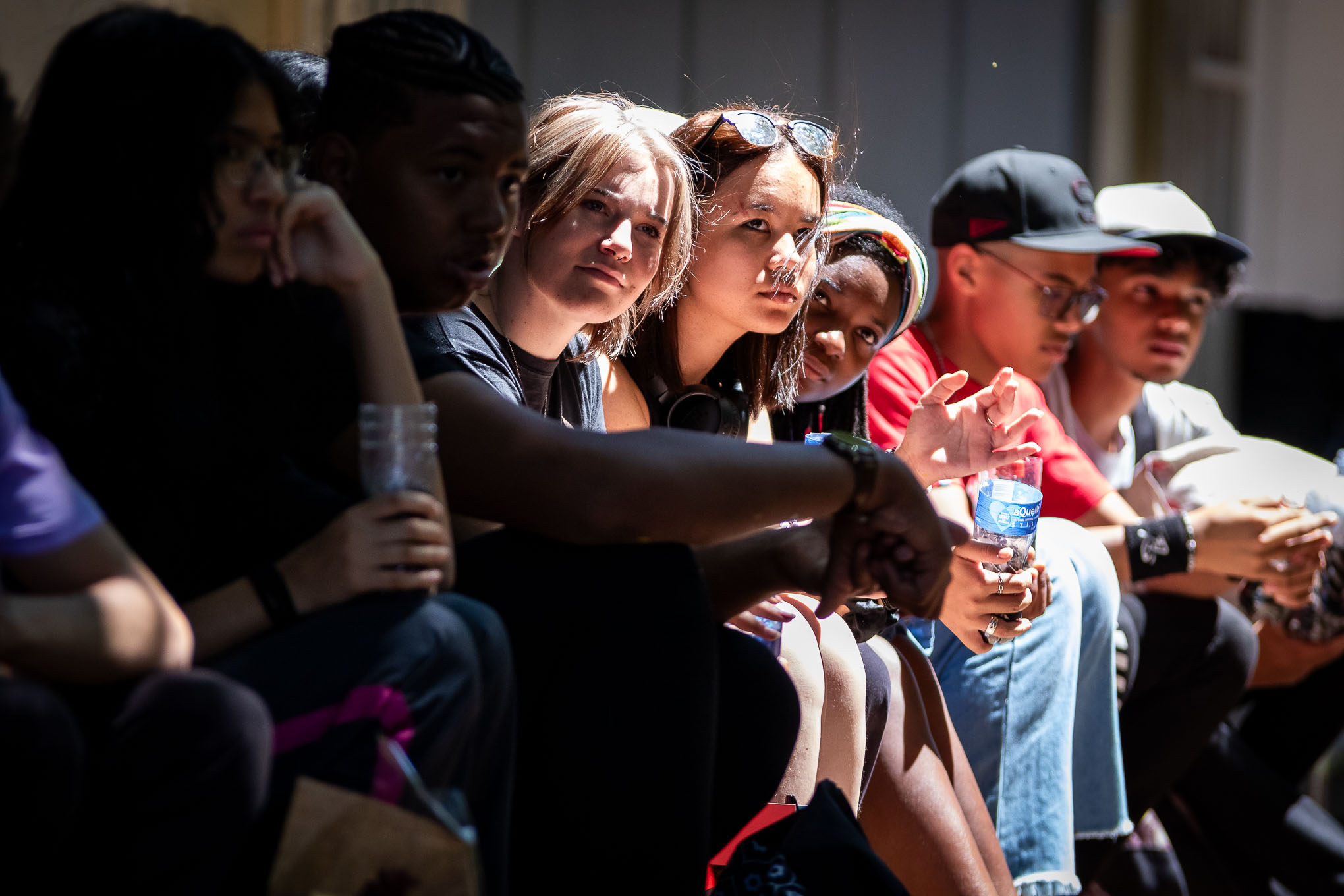
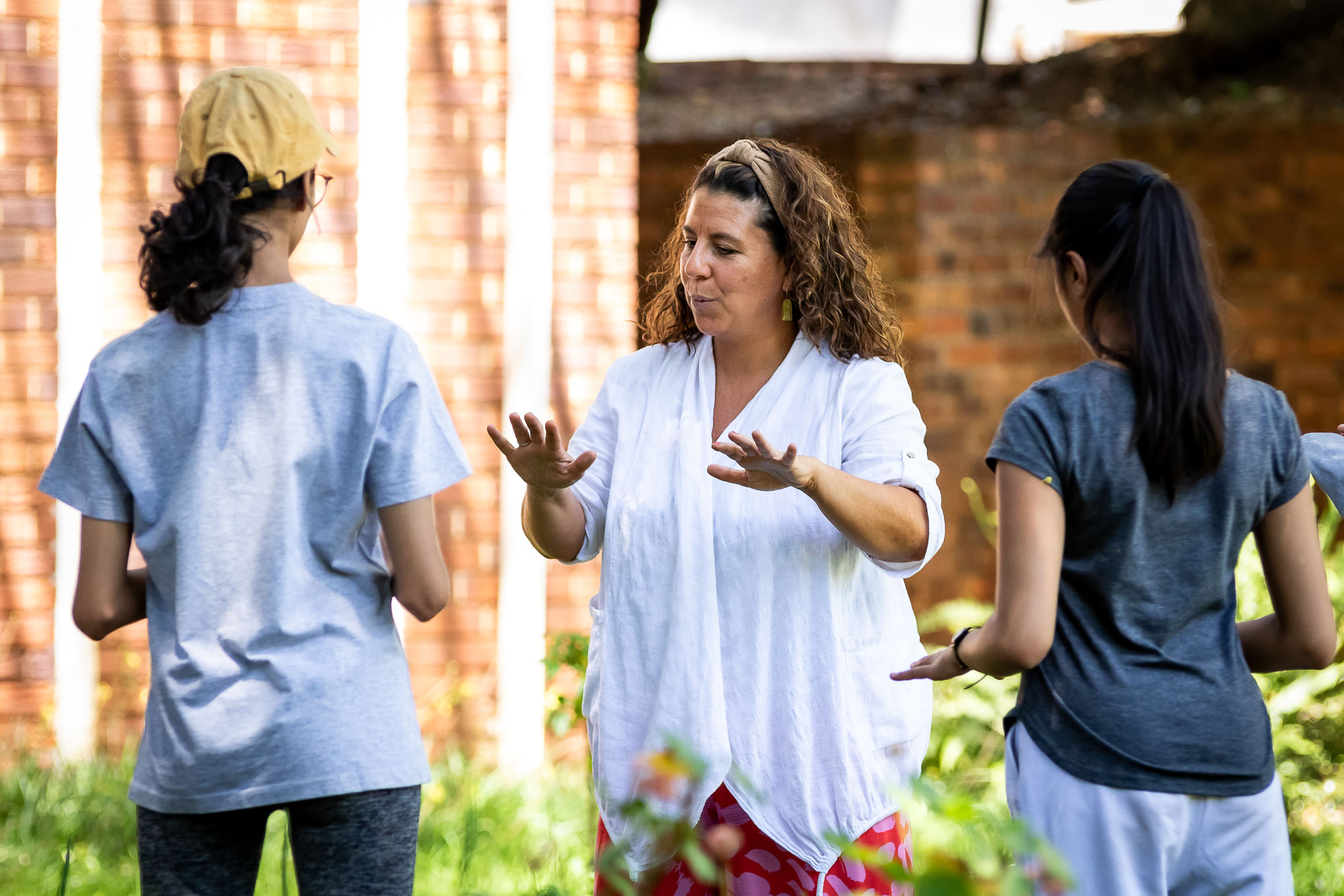
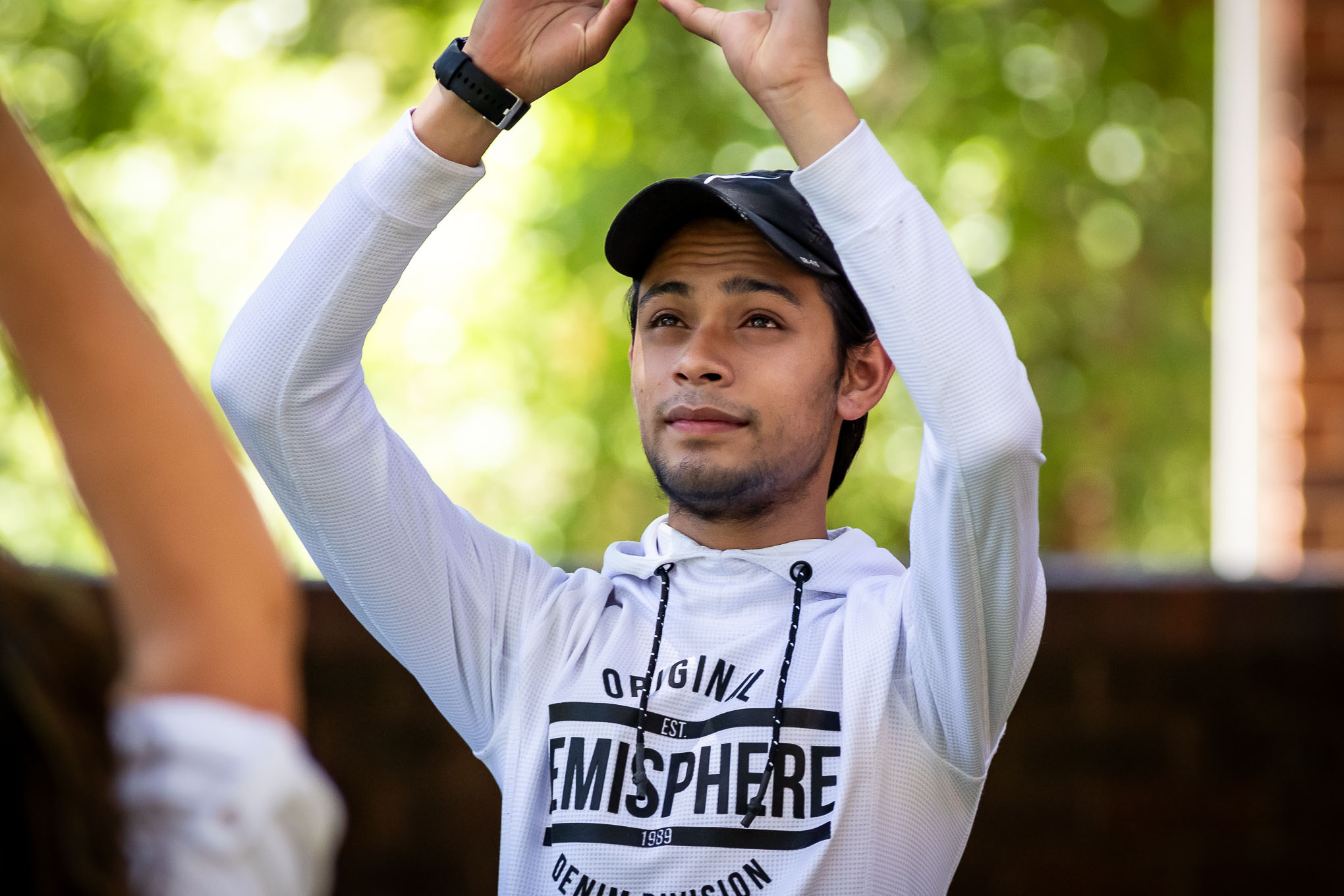
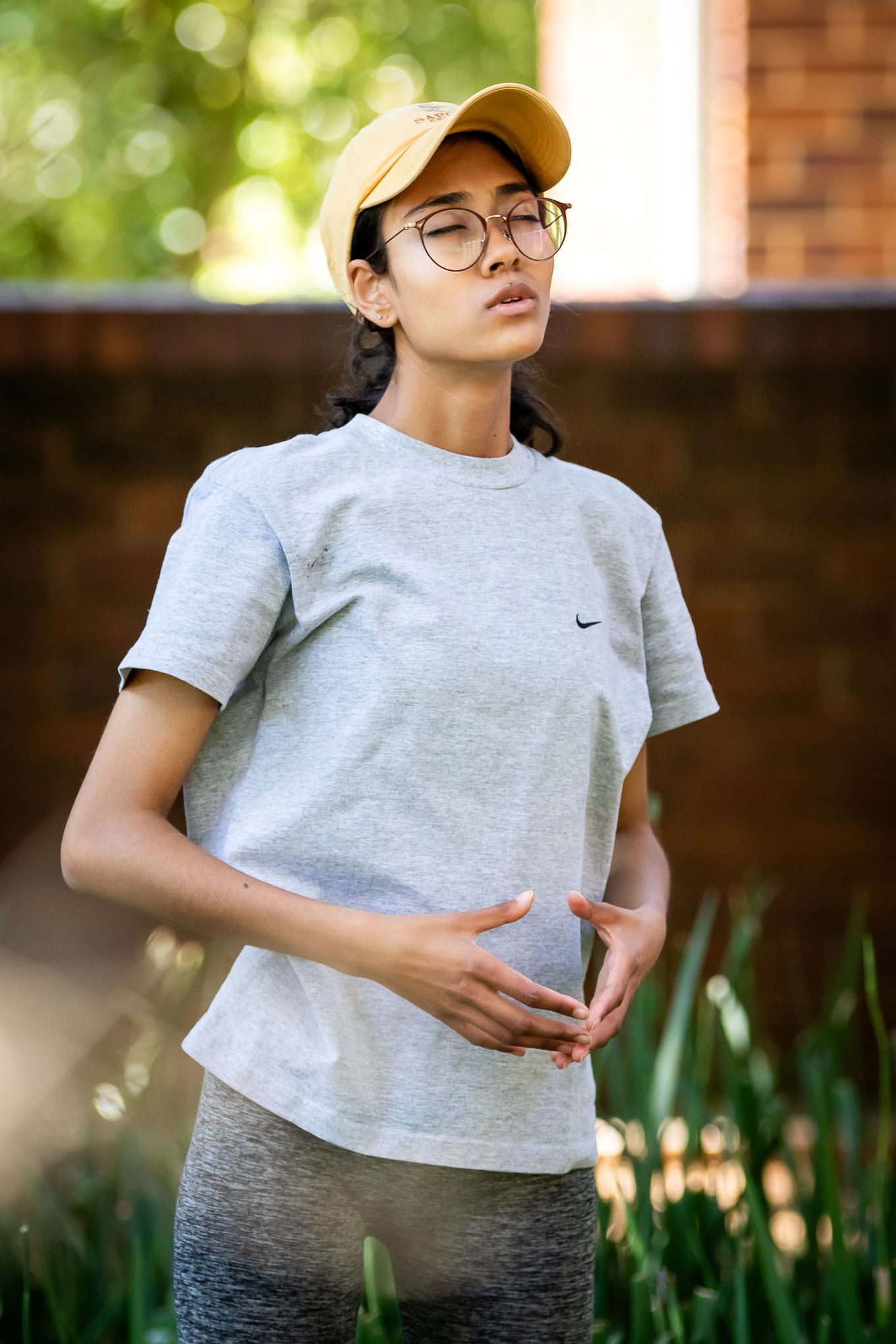
For our learners, Wellness Day offered something particularly timely: practical tools for managing the physiology of stress. The session wove together evidence-based study strategies – spaced repetition, active recall, the Pomodoro technique – with vagus nerve stimulation exercises, including breath work and humming, that genuinely calm the nervous system within minutes. Several learners reported feeling calmer after just a short session of extended exhalation breathing. For learners heading into assessment season, this is not a luxury. It is arguably the most important revision they could do.
Mindfulness, Clay Therapy, and Paint Therapy
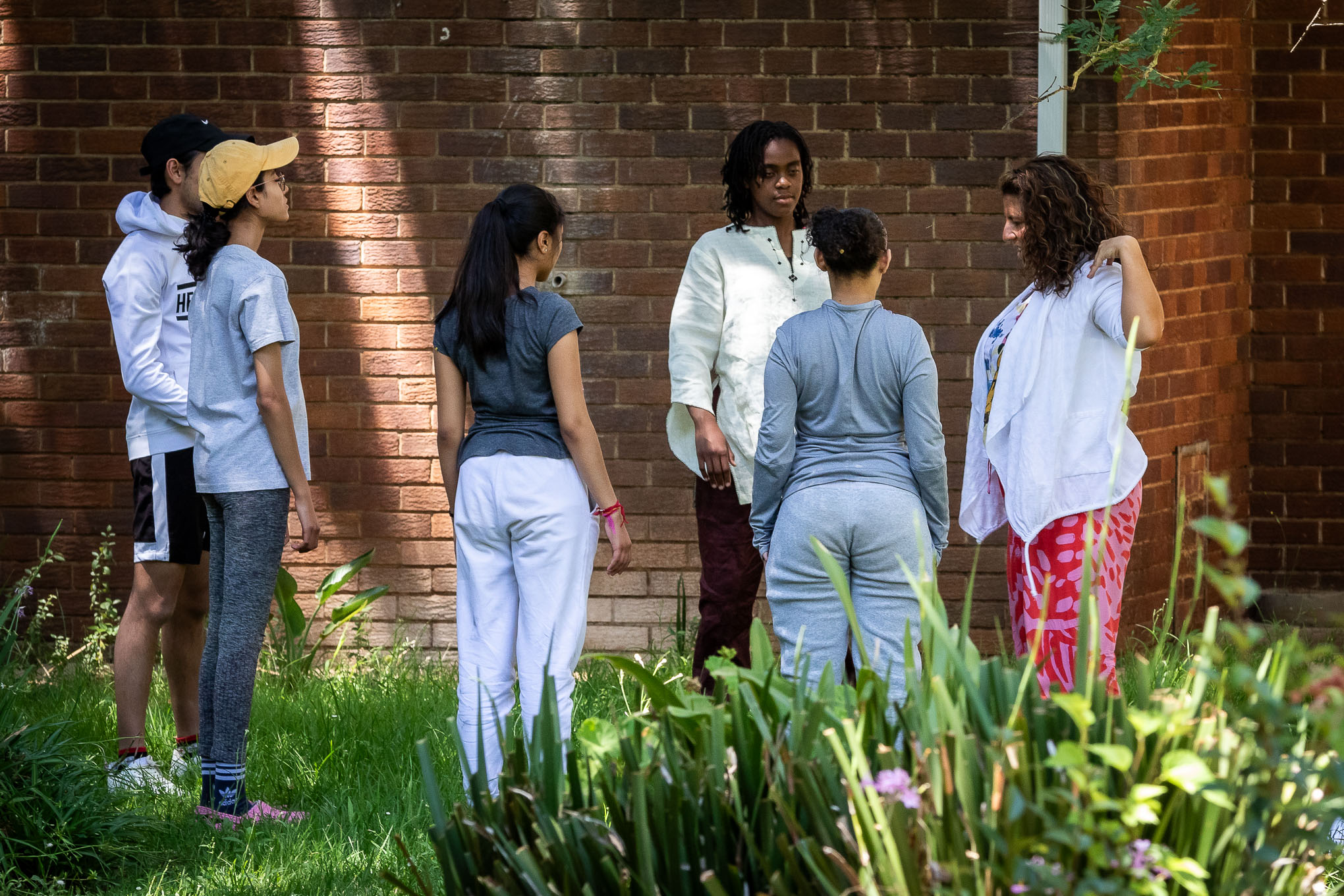
The Mindfulness session in the Tech Centre offered learners the increasingly rare gift of stillness. In a world that rarely stops moving, structured mindfulness practice – intentional, non-judgmental awareness of the present moment – is associated with reduced anxiety, improved concentration, and greater emotional regulation. Learners who arrived sceptical were observed settling visibly into the experience. More than a few were quietly startled by how good it felt.
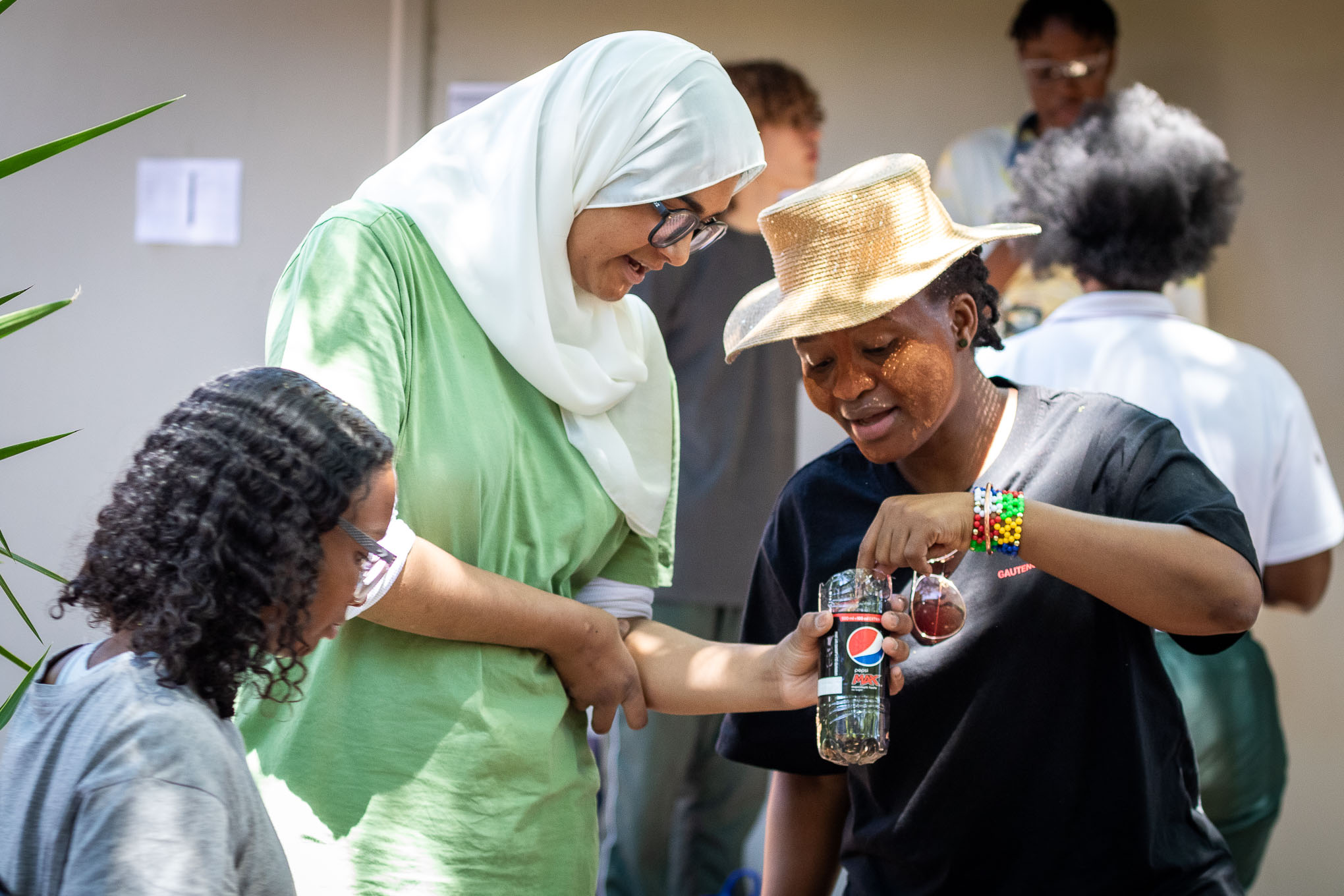
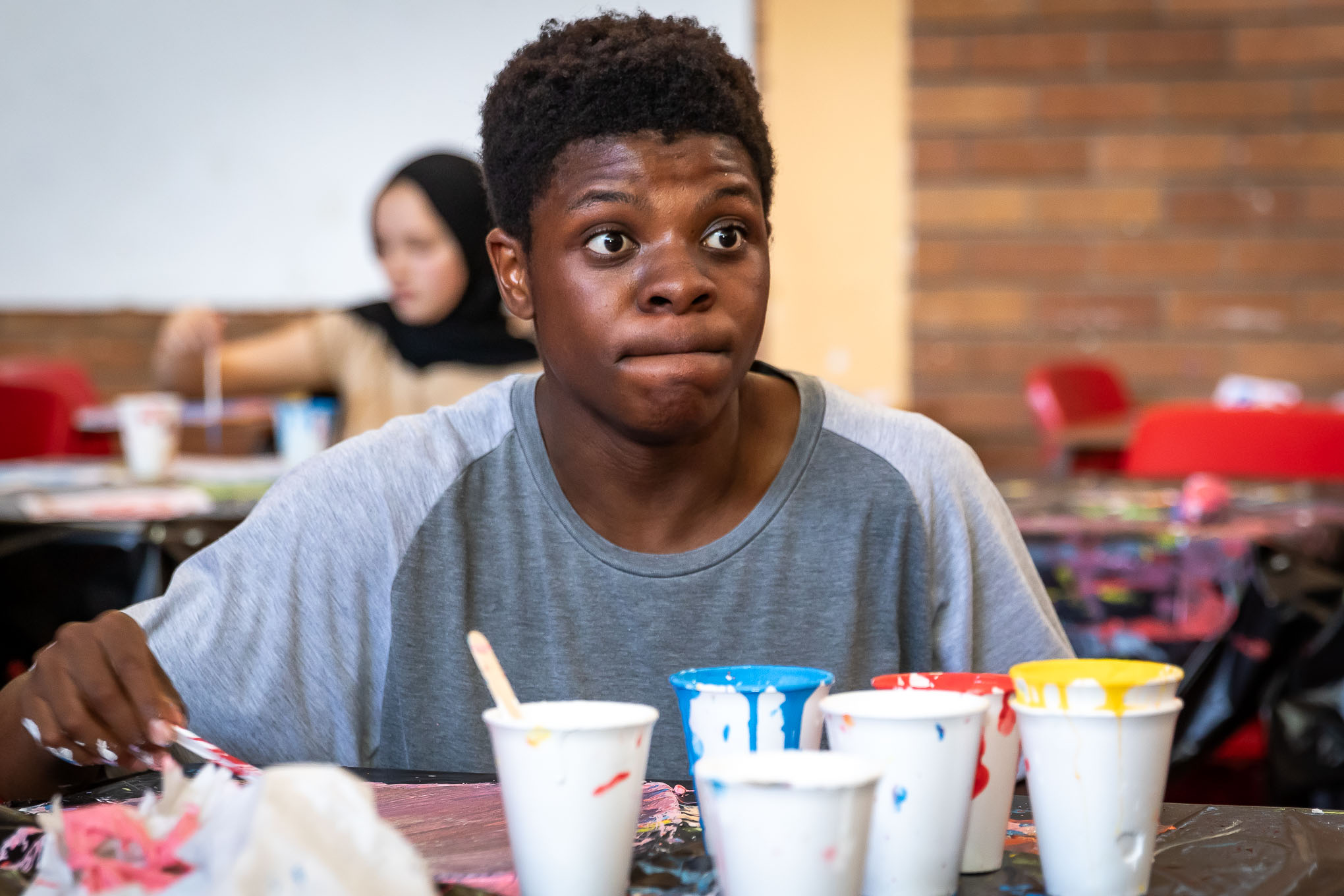
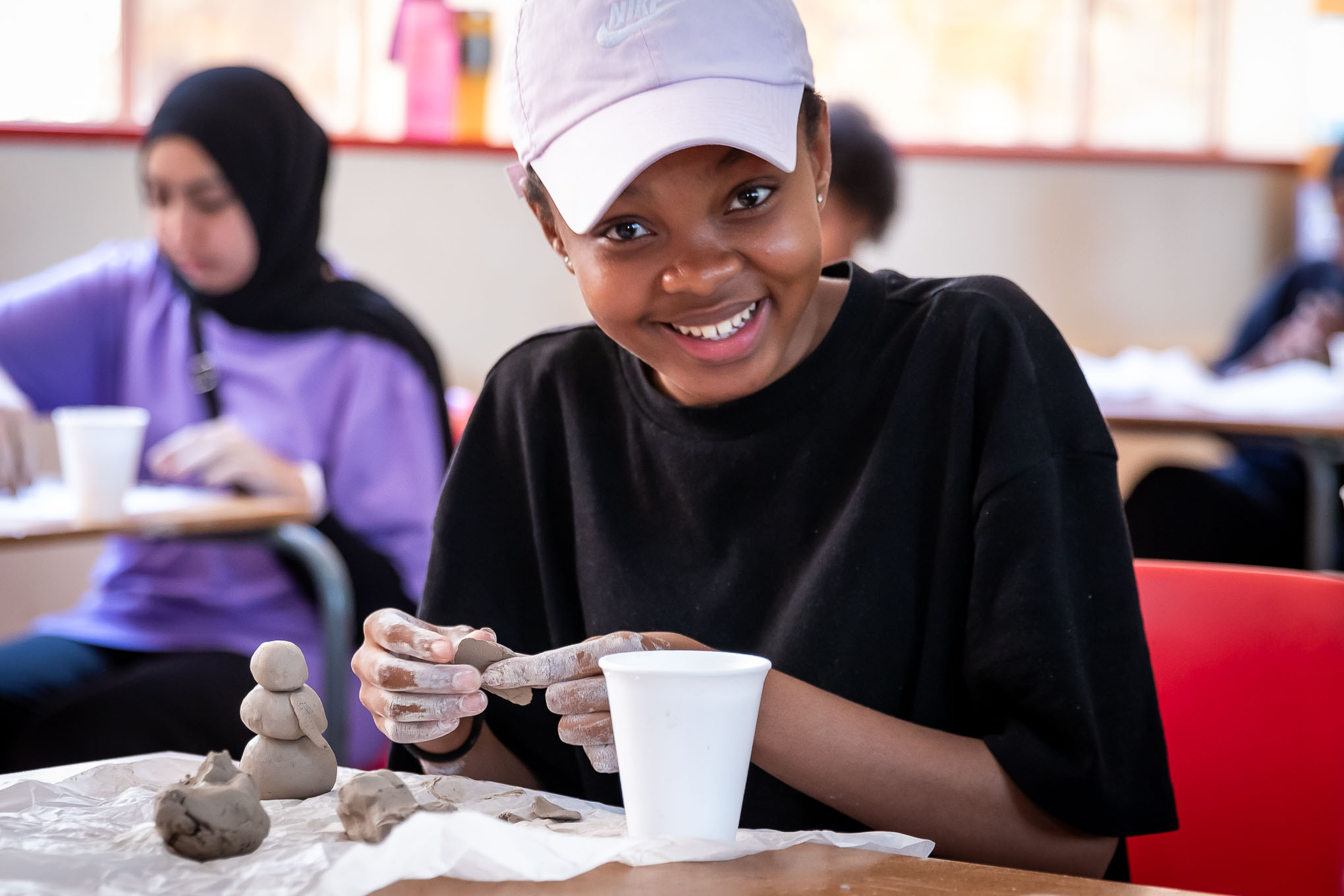
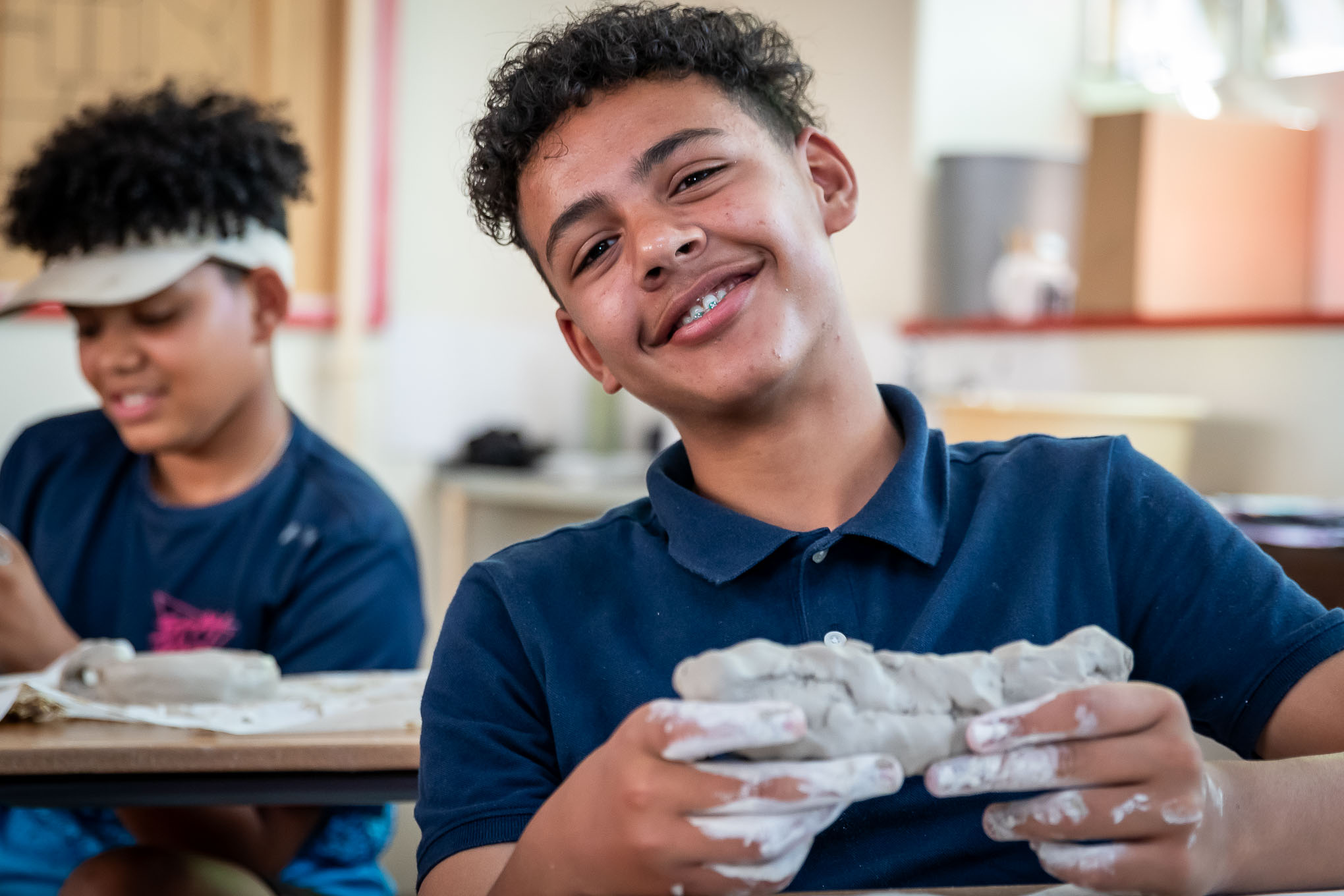
Clay and paint therapy, running simultaneously in the gym, were among the most enthusiastically received stations of the day. Working with clay engages the hands, grounds attention, and bypasses the analytical mind entirely – producing a state of absorbed concentration that psychologists call ‘flow’. Paint therapy offered a similar freedom: process over product, expression over evaluation. The gym hummed with that particular productive energy that every educator instinctively recognises and treasures.
Active Rest, Ball Games, and the Obstacle Course
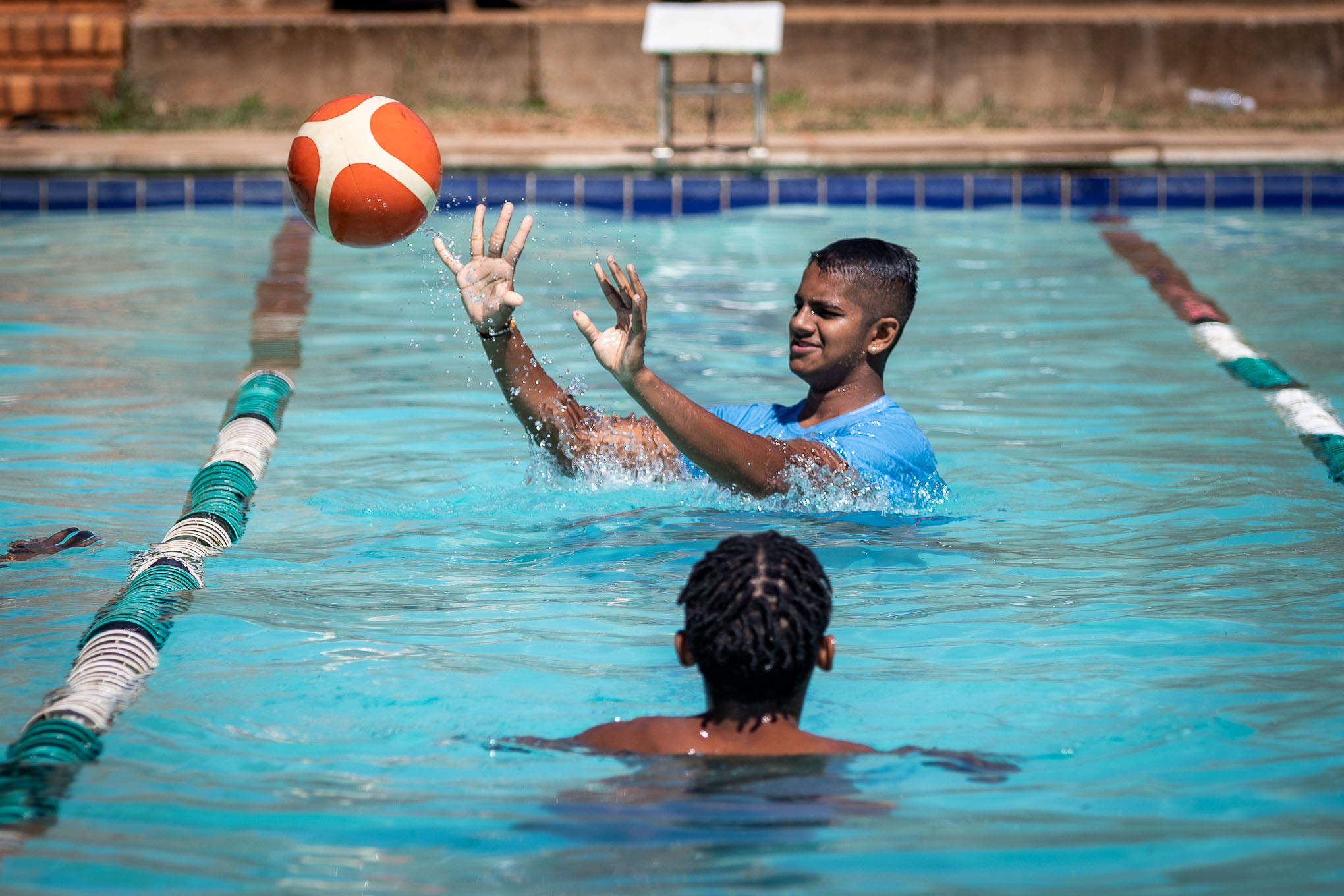
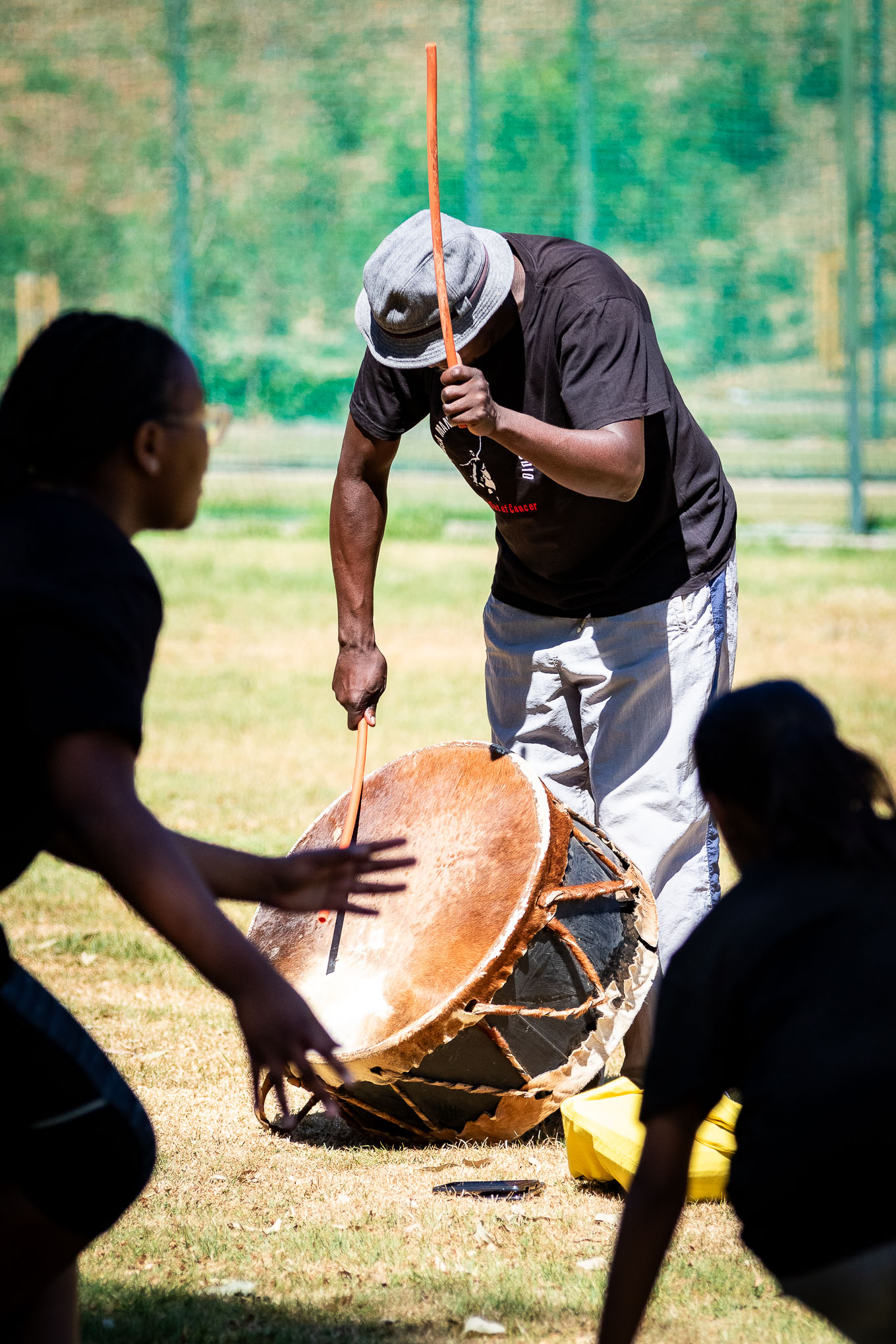
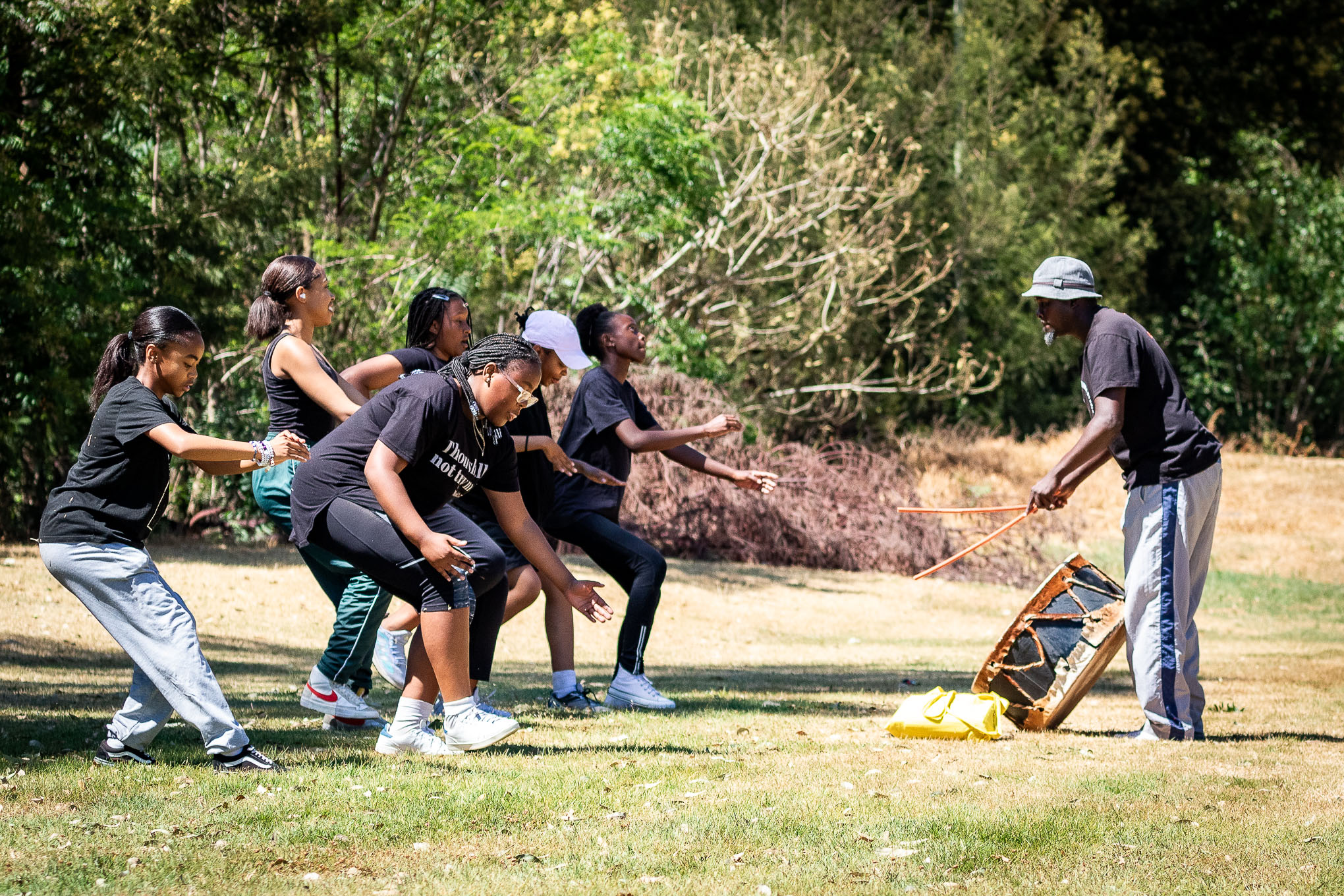
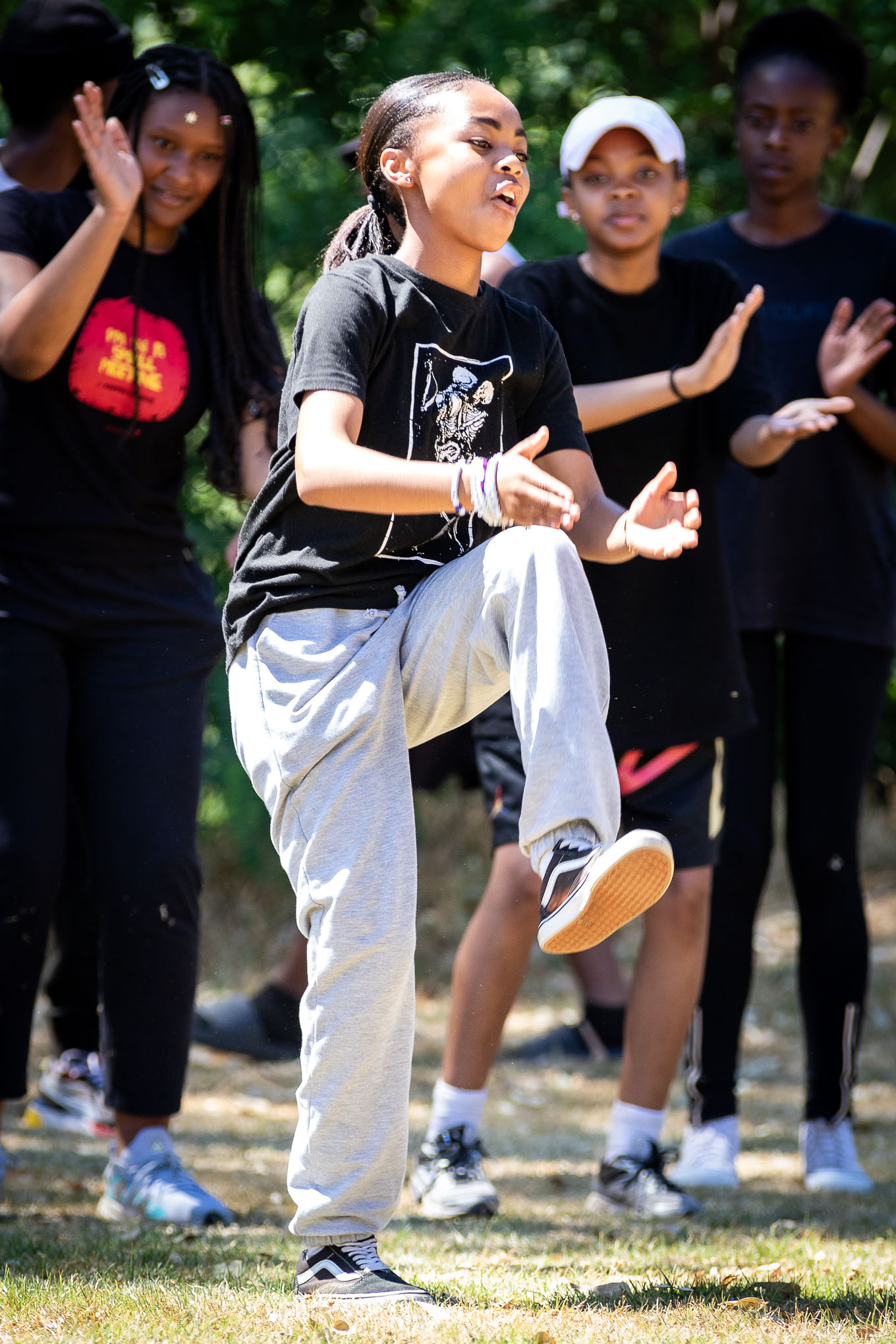
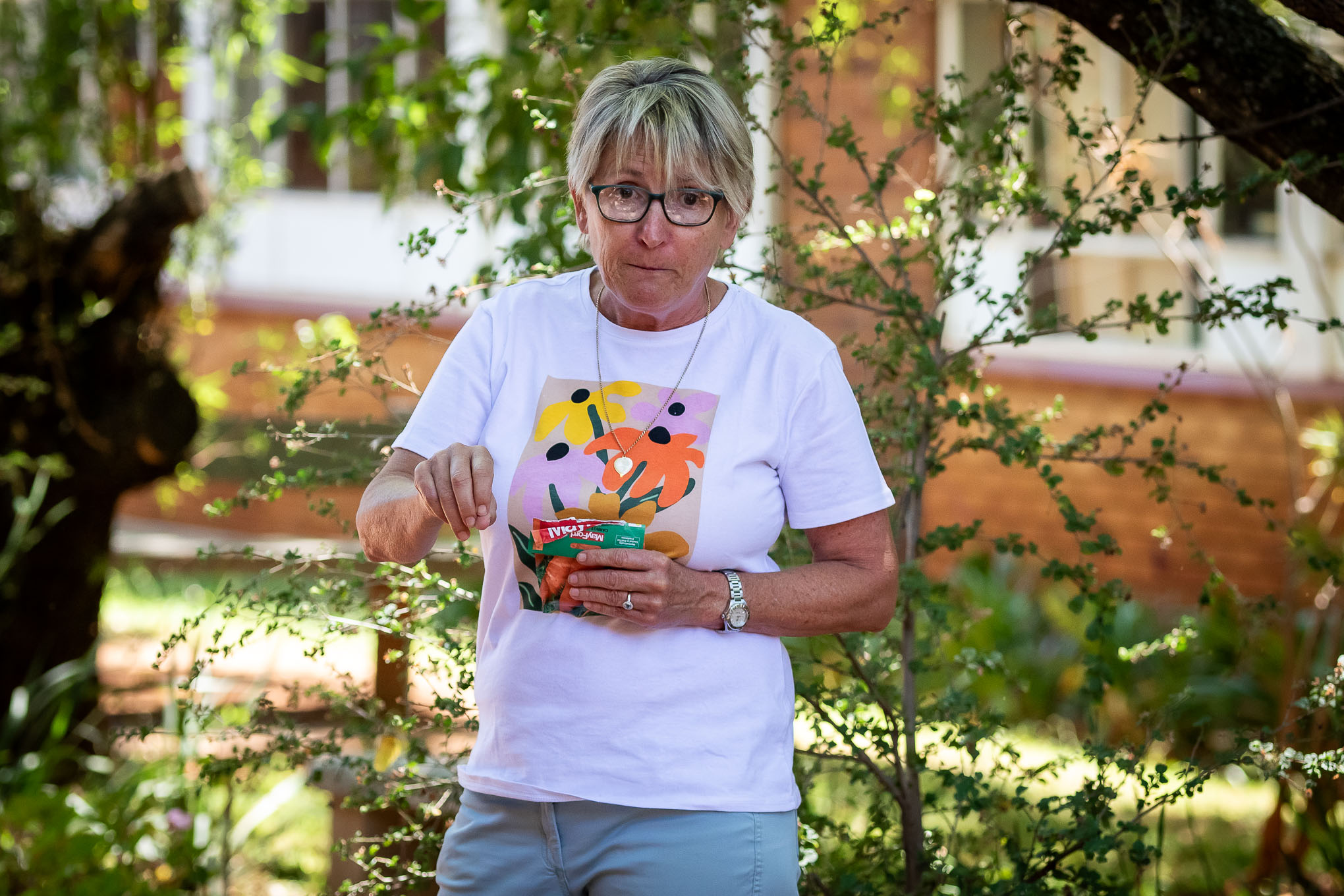
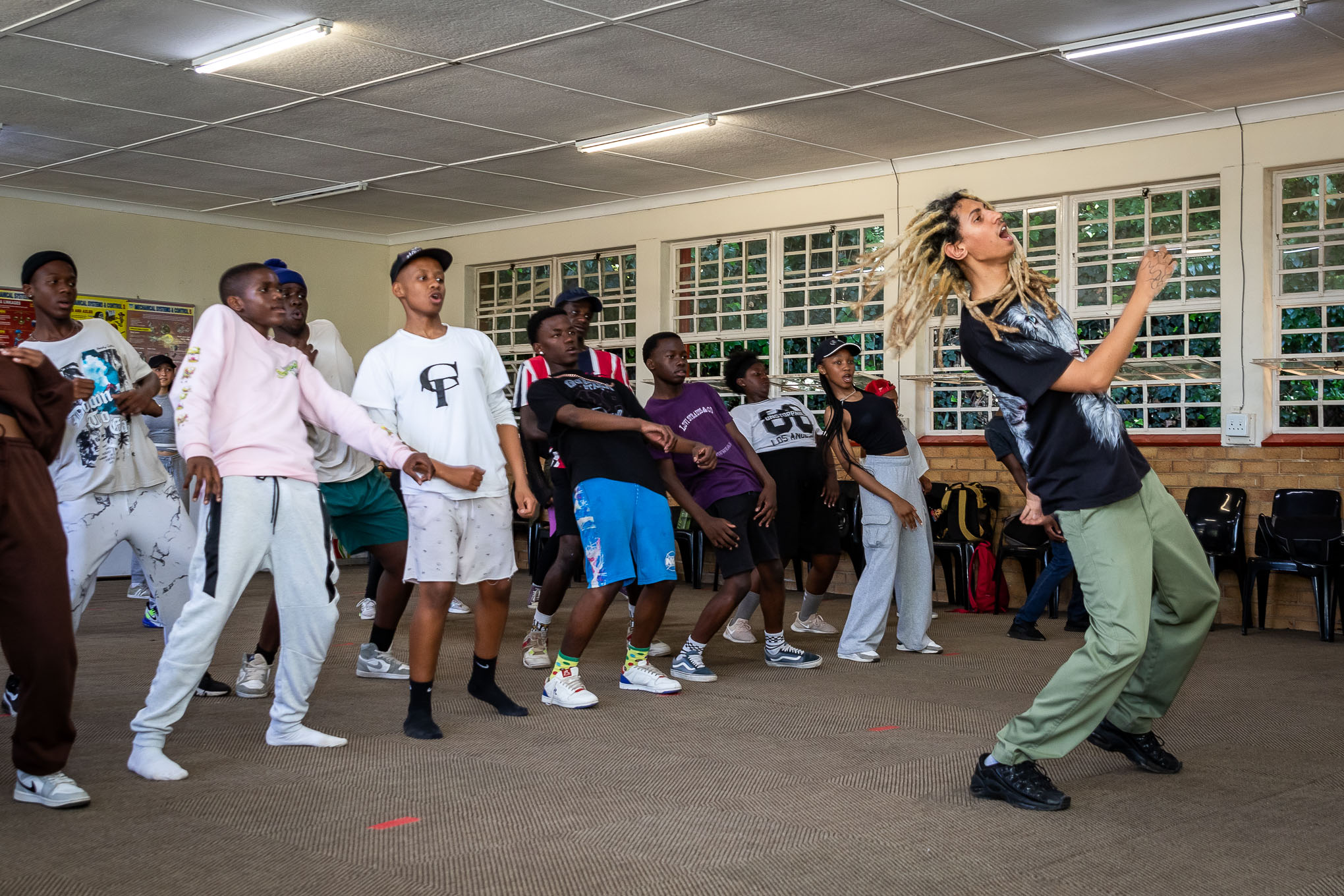
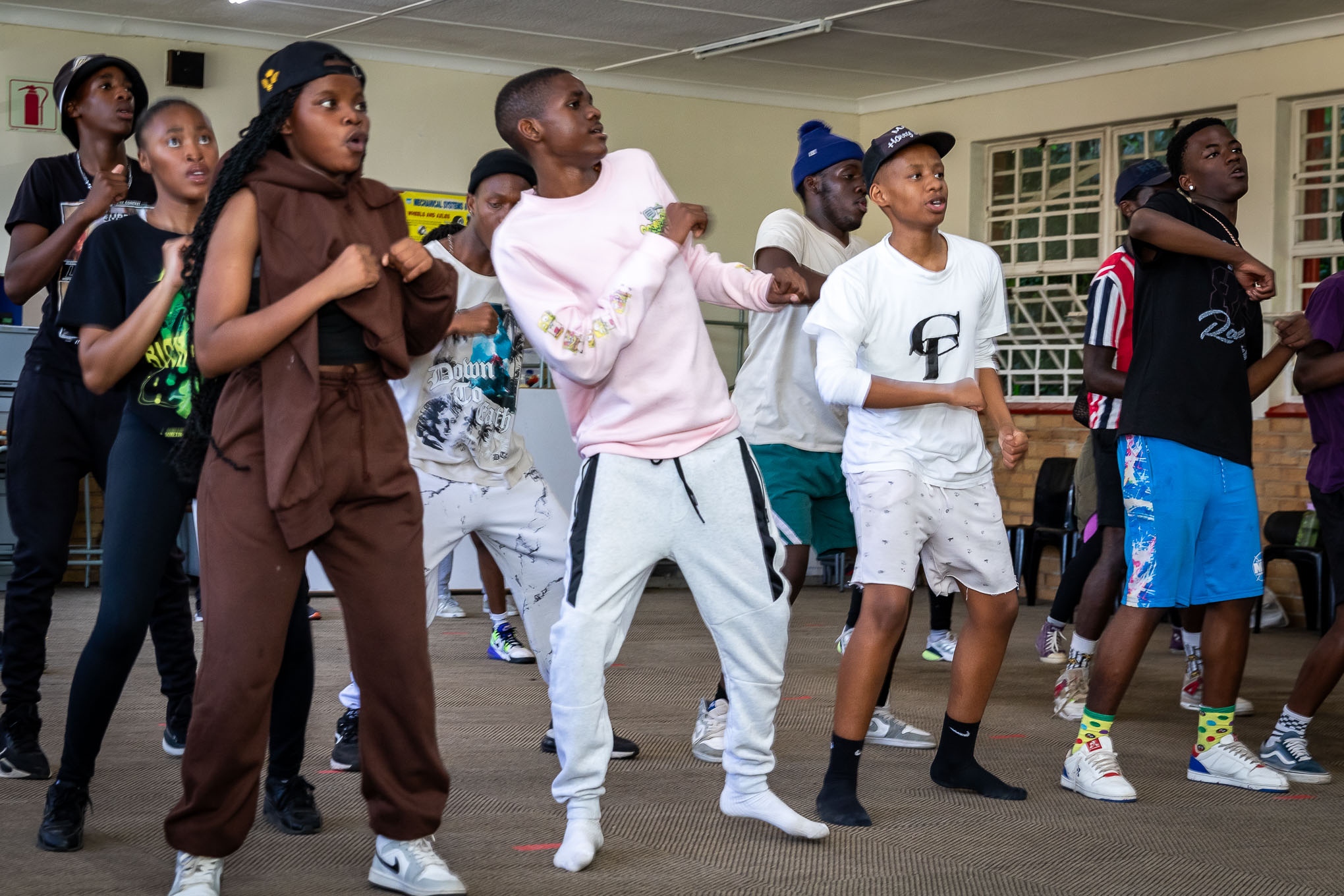
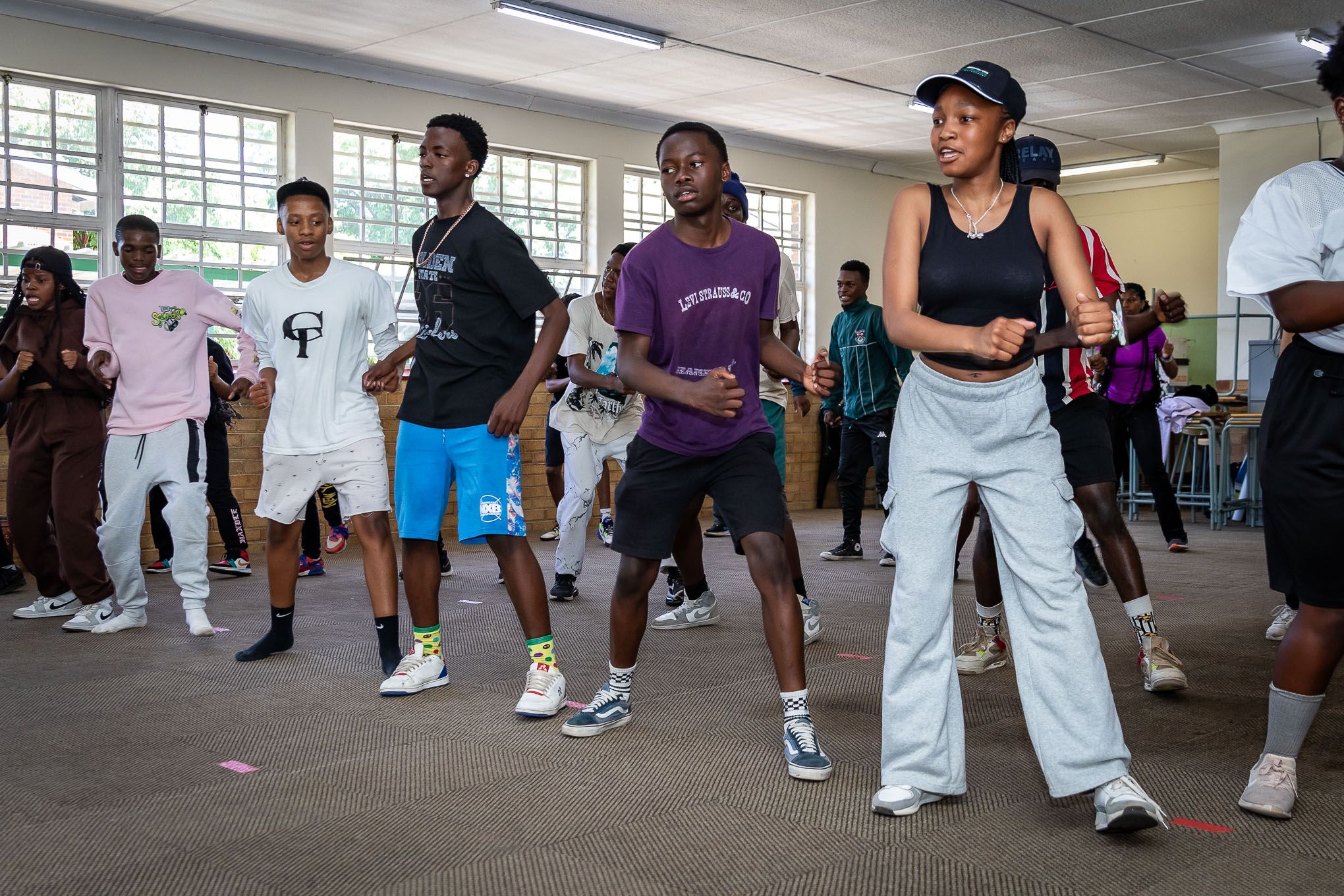
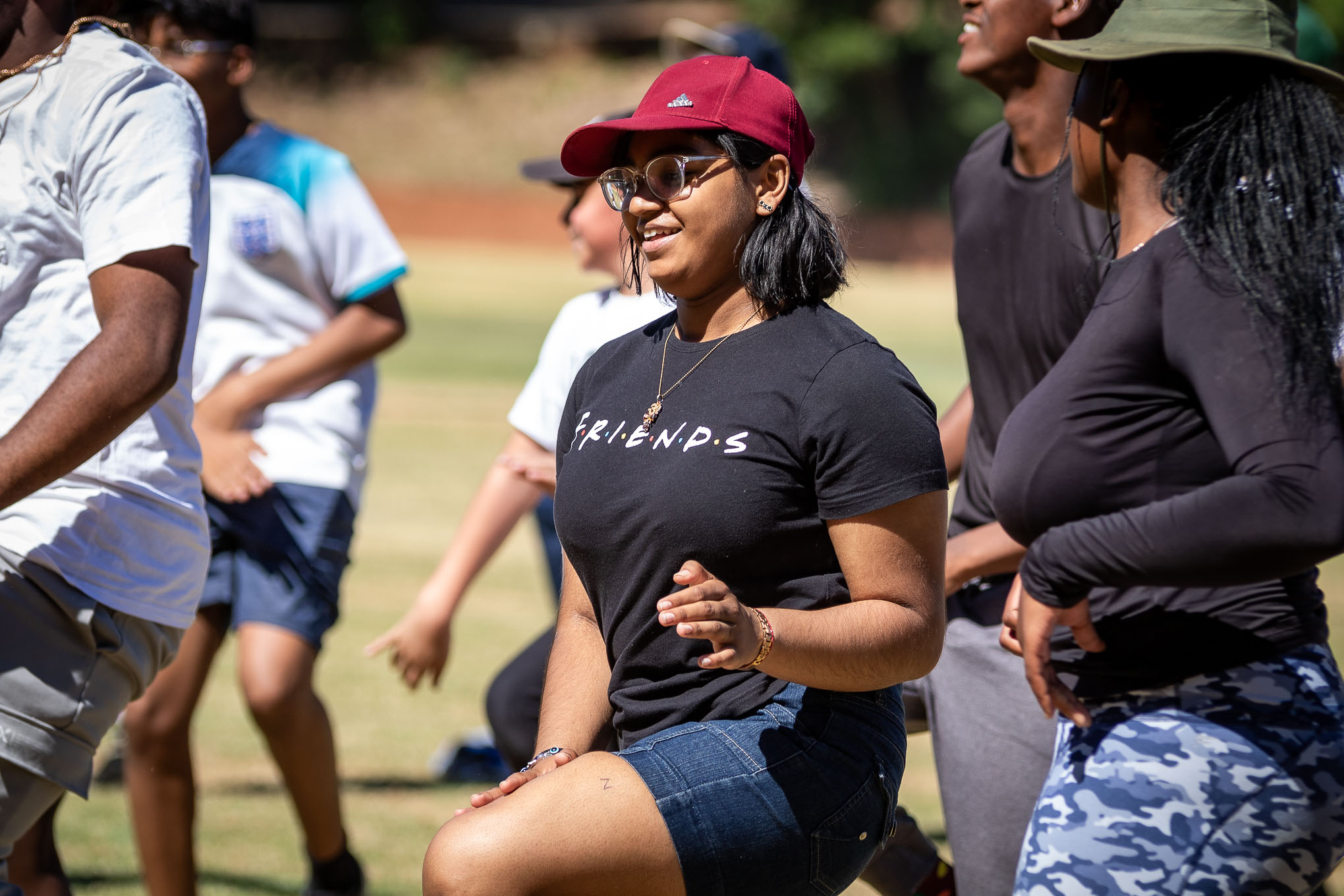
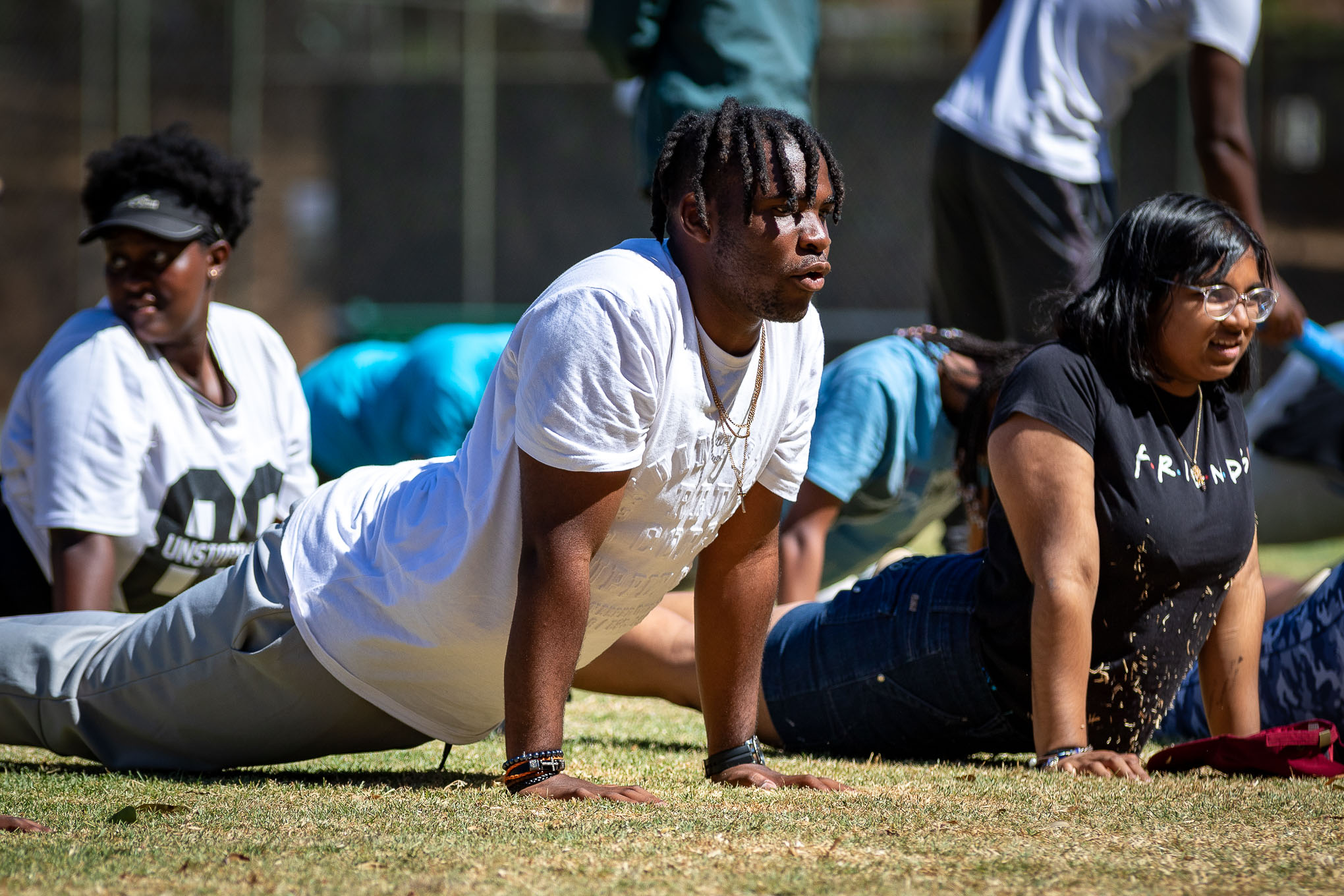
The outdoor activities gave learners something that schooling often forgets to prioritise: joyful, uninhibited movement. During active rest, the brain’s default mode network – responsible for memory consolidation, problem-solving, and creative insight – becomes highly active. This is why the best ideas tend to arrive not at a desk, but on a walk. The T-Block Quad, Top Field, and Bottom Field were alive with laughter, friendly competition, and the kind of spirited encouragement between peers that quietly but powerfully builds community.
Of particular note: learners who do not typically engage in formal sport found genuine enjoyment and belonging in these sessions. Physical activity, when approached with playfulness rather than performance pressure, turns out to be for everyone. Who knew? (The researchers did, actually. They’ve been saying it for decades.)
The Power of Letting Learners Choose
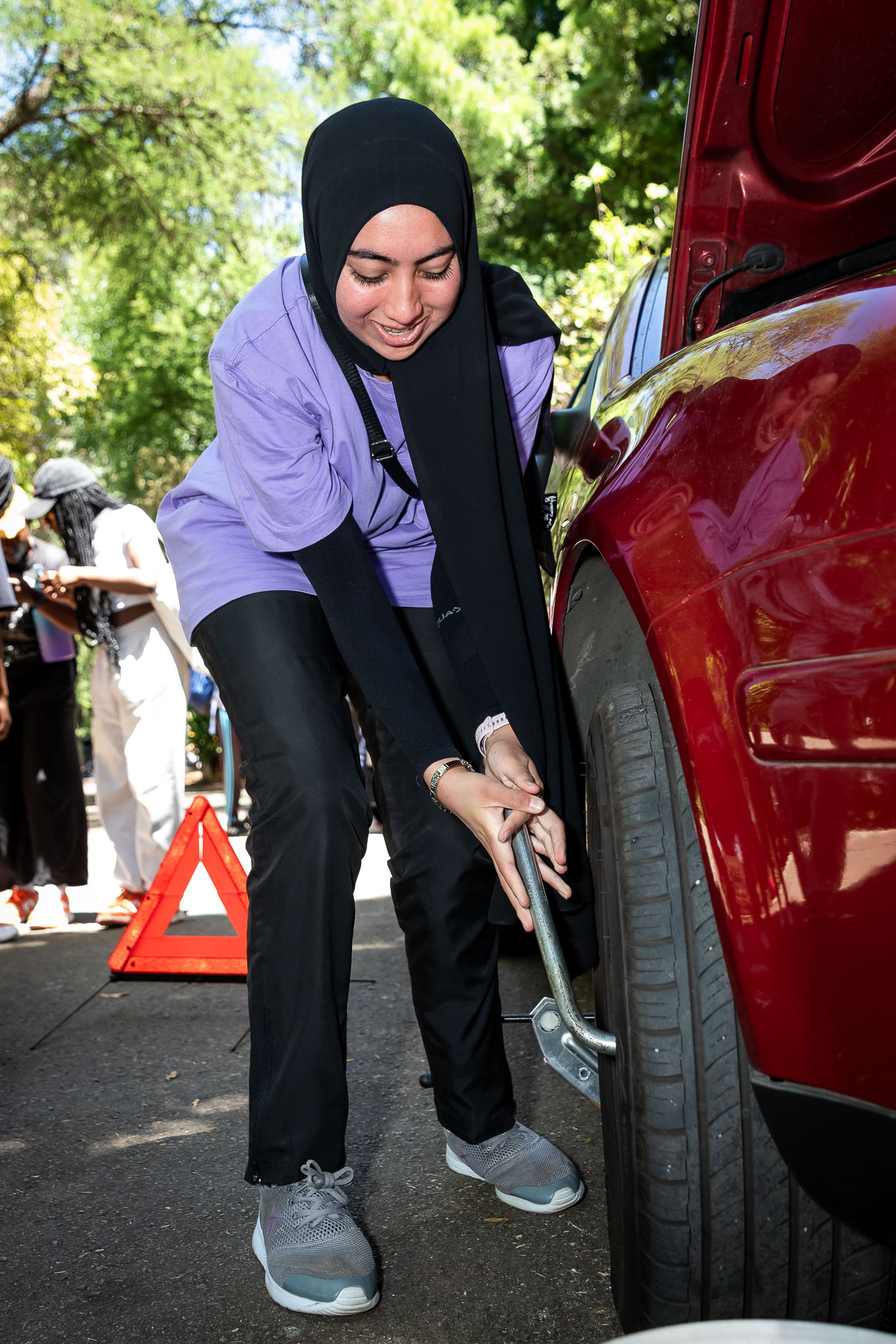
Perhaps the most intentional design feature of Wellness Day was the element of agency. With the exception of the Study Skills session, learners chose their own activities. This is a small thing that is actually a large thing. Agency – the experience of making meaningful choices about one’s own learning – is one of the strongest predictors of engagement and wellbeing in young people. When learners choose, they invest. When they invest, they benefit more deeply. The consistently high levels of genuine engagement observed across all stations were, in no small part, a direct consequence of this.
In Conclusion
Wellness Day was not a day off from learning. It was a day of learning something different – something that classrooms, through no fault of their own, cannot always teach: how to rest well, create freely, move joyfully, and manage the complicated business of being a teenager in a demanding world. The activities were purposeful, the spaces were alive, and the learners were – as they always are – when given the chance – wonderful.
We look forward to doing it all again.